
Changes in vaginal discharge, itching, or odour are some of the most common reasons women visit a doctor. Yet these vaginal infections can stem from very different causes. Bacterial vaginosis (BV), yeast infection, and trichomoniasis may cause similar irritation and discharge, making it hard to identify the true source without testing.
Each infection affects the vagina differently. BV results from a bacterial imbalance, yeast infection from fungal overgrowth, and trichomoniasis from a sexually transmitted parasite. Their treatments differ — using the wrong treatment can worsen the infection.
According to the Singapore Ministry of Health’s Women’s Health Guidelines (2023), proper medical assessment is essential before prescribing treatment. If you experience unusual discharge or irritation, visit a clinic that manages vaginal infections for accurate diagnosis and care.
Why These Vaginal Infections Are Often Confused
BV, yeast infections, and trichomoniasis are the three most common causes of vaginitis, a term describing inflammation of the vagina. They share overlapping symptoms like discharge, odour, and irritation, which makes self-diagnosis unreliable.
Over-the-counter products may temporarily ease symptoms but rarely address the underlying infection. Misuse of antifungal creams or antibiotics can disrupt your vaginal microbiome, making recurrence more likely.
Because sexually transmitted infections (STIs) such as trichomoniasis, chlamydia, and gonorrhoea can produce symptoms similar to bacterial vaginosis (BV) or yeast infections, only a laboratory test can confirm the cause. If symptoms such as unusual vaginal discharge, odour, or irritation return frequently, consult a doctor for a vaginal swab test and a personalised treatment plan.
Want to learn more? See our full guide to vaginal infections.
BV, a Yeast Infection and Trichomoniasis Causes – What Triggers Each Condition
Different microorganisms cause these infections. Identifying the source ensures the right treatment and reduces the chance of recurrence.
Bacterial Vaginosis (BV)
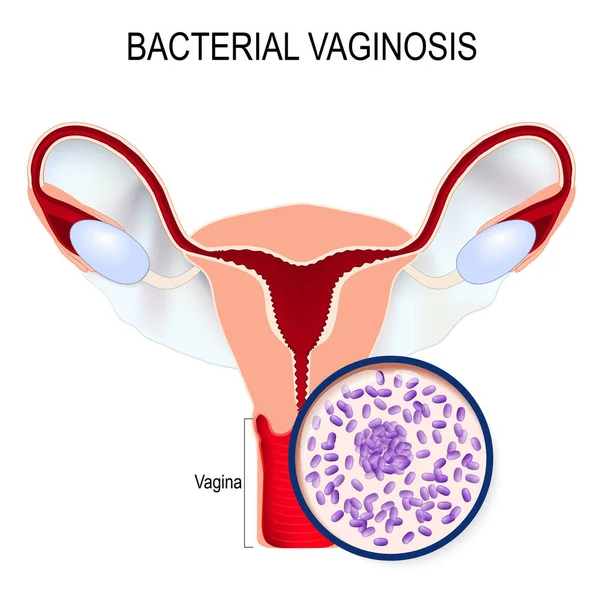
Bacterial vaginosis occurs when protective Lactobacillus bacteria decrease and anaerobic bacteria such as Gardnerella vaginalis multiply. This imbalance raises the vaginal pH, causing thin discharge and a “fishy” odour.
Common triggers:
- Douching or using perfumed products
- Multiple or new sex partners
- Recent antibiotic use
A clinic that manages bacterial vaginosis in Singapore can confirm the diagnosis through testing and provide targeted treatment to restore vaginal balance.
Vaginal Yeast Infection (Candidiasis)
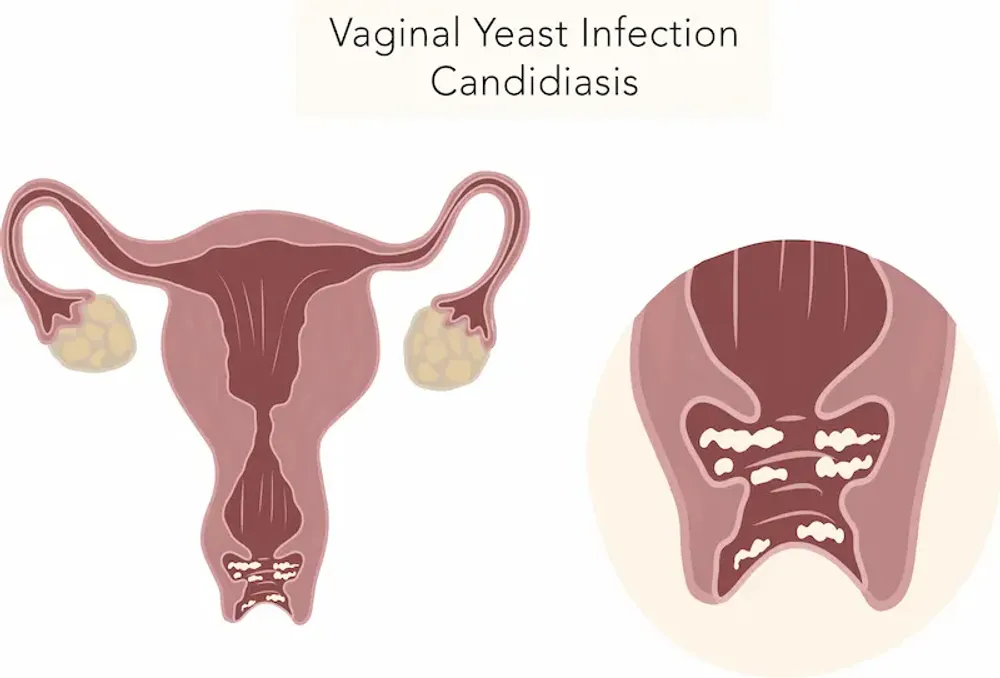
A yeast infection occurs when Candida, a fungus naturally present in the vagina, overgrows. Moisture, hormonal changes, or weakened immunity can create conditions for yeast to multiply.
Possible triggers:
- Tight or non-breathable clothing
- High sugar or carbohydrate diet
- Stress or reduced immunity
- Hormonal fluctuations during menstruation, pregnancy, or menopause
Recurrent yeast infections may point to underlying issues like diabetes or immune imbalance. Clinics treating vaginal yeast infections can help identify and manage these contributing factors.
Trichomoniasis

Trichomoniasis is a sexually transmitted disease (STD) caused by the parasite Trichomonas vaginalis. It spreads through unprotected sexual contact or contaminated devices. Some women show no symptoms, unknowingly transmitting the infection to their sex partners.
Risk factors:
- Unprotected vaginal intercourse
- Multiple or new partners
- Partner not receiving treatment
Untreated trichomoniasis increases the risk of other sexually transmitted infections, including HIV. Testing at a clinic that offers trichomoniasis screening in Singapore helps prevent reinfection and complications.
Symptoms and Discharge – How to Tell Them Apart
BV, yeast infection, and trichomoniasis often cause very similar irritation, odour, and vaginal discharge, making it difficult to tell them apart without proper testing. Self-diagnosis based on symptoms alone is unreliable.
| Symptom | Bacterial Vaginosis (BV) | Yeast Infection | Trichomoniasis |
|---|---|---|---|
| Discharge | Thin, greyish-white | Thick, white, curd-like | Yellow-green, frothy |
| Odour | Fishy smell | Usually none | Musty or unpleasant |
| Itching / Irritation | Mild or none | Pronounced | Common |
| Pain During Sex / Urination | Sometimes | Occasionally | Frequent |
Because these vaginal infections share overlapping symptoms, discharge characteristics alone cannot confirm the diagnosis. A vaginal swab test remains the most reliable way to identify whether the infection is bacterial, fungal, or parasitic, allowing your doctor to recommend the right treatment.
Diagnosis – Why Testing Matters
Since BV, yeast infection, and trichomoniasis can look alike, testing is the only reliable way to identify the cause. Other sexually transmitted infections (STIs) such as chlamydia and gonorrhoea can also cause similar vaginal discharge, irritation, or discomfort, making professional evaluation essential.
A doctor will usually perform a pelvic examination and take a vaginal swab for laboratory analysis. These tests help determine whether the infection is bacterial, fungal, parasitic, or STI-related, ensuring you receive the most appropriate treatment.
Clinical Evaluation
The sample is tested to assess vaginal pH, identify bacteria, fungi, or parasites, and check for mixed infections.
| Diagnostic Method | What It Detects |
|---|---|
| pH Test | Elevated pH may indicate BV or trichomoniasis |
| Microscopy / Culture | Confirms Candida or other yeast infection organisms |
| NAAT (Nucleic Acid Amplification Test) | Detects Trichomonas vaginalis precisely |
According to HealthHub Singapore, laboratory diagnosis ensures targeted treatment and reduces recurrence.
Why Self-Diagnosis Is Risky
Because symptoms of vaginitis overlap, self-diagnosis can lead to incorrect medication. This can upset the vaginal microbiome or mask sexually transmitted infections.
If symptoms persist or return, consult your doctor before starting any treatment.
Treatment Overview
Treatment depends on the identified organism. Since vaginal infections often resemble one another, medication should follow confirmed testing to prevent mismanagement.
| Condition | Typical Medical Approach | Notes |
|---|---|---|
| Bacterial Vaginosis (BV) | Doctor-prescribed antibiotics | Partner treatment not usually required |
| Yeast Infection (Candidiasis) | Antifungal medication (topical or oral) | Assess for recurrence or underlying conditions |
| Trichomoniasis | Antiprotozoal medication | Partner testing and treatment recommended |
The National Health Service (NHS UK) advises completing prescribed medication to avoid relapse. Clinics managing vaginal infections in Singapore can evaluate, prescribe, and monitor your recovery safely.
When to See a Doctor
See a doctor if vaginal discharge, odour, or irritation persists despite gentle hygiene. Prompt care prevents recurrent infections and complications like pelvic inflammatory disease (PID).
Seek medical attention if you notice:
- Persistent odour or abnormal discharge
- Pain, burning, or bleeding during or after sex
- Recurring symptoms within weeks
- Discomfort that worsens during pregnancy
The Health Promotion Board (Singapore) advises testing if symptoms last beyond a few days.
For discreet, professional care, schedule a consultation with a qualified doctor for testing and treatment tailored to your needs.
A Word from Our Doctor
“Many women delay seeking help, thinking these issues will pass. However, bacterial vaginosis, yeast infections, and trichomoniasis may persist or recur without proper testing. Early diagnosis allows effective treatment, restoring comfort and confidence. Every consultation is conducted in a private, supportive environment.” – Dr. Michelle Chia
Prevention and Vaginal Health Maintenance
Healthy daily habits support the vaginal microbiome and reduce the risk of future vaginitis or sexually transmitted infections.
Daily Habits to Support Vaginal Balance
- Gently clean the vulva with water
- Avoid douching or perfumed products
- Wear breathable cotton underwear and change it daily; avoid panty liners
- Keep the genital area dry after bathing or exercise
- Practise safe sex; encourage partner testing when appropriate
- Manage stress and maintain a balanced diet for immune health
Doctors recommend regular screening and early evaluation for unusual discharge or irritation. If symptoms return, visit a clinic that treats vaginal infections in Singapore for assessment and prevention advice.
Summary Table – Key Differences
| Bacterial Vaginosis (BV) | Yeast Infection | Trichomoniasis | |
|---|---|---|---|
| Cause | Imbalance of vaginal bacteria | Overgrowth of Candida fungus | Trichomonas vaginalis (parasite) |
| Odour | Fishy or unpleasant | Usually none | Musty or strong |
| Discharge | Thin, greyish-white | Thick, white, curd-like | Yellow-green, frothy |
| Itching / Irritation | Mild | Common | Common |
| Transmission | Not sexually transmitted | Not sexually transmitted | Sexually transmitted infection |
| Treatment | Antibiotics | Antifungal medication | Antiprotozoal therapy |
While symptoms may appear alike, the cause and treatment vary. A vaginal swab test confirms the infection so your doctor can recommend the right approach and prevent recurrence.
Key Takeaways
- Bacterial vaginosis, yeast infection, and trichomoniasis are common types of vaginitis with overlapping symptoms.
- Vaginal discharge type, odour, and irritation differ slightly between conditions.
- Only a vaginal swab and lab test can confirm if the cause is bacterial, fungal, or parasitic.
- Safe sex, gentle hygiene, and regular health checks reduce infection risk.
- Early consultation ensures effective treatment and protects reproductive health.